
Artificial Intelligence is no longer a futuristic concept in digital marketing — it is the engine powering modern strategy. In 2026, AI influences everything from content creation and customer segmentation to ad optimization and predictive analytics. Companies like OpenAI, Google, and Meta are integrating advanced AI systems directly into marketing platforms, fundamentally transforming how brands connect with audiences.
If businesses want to remain competitive, understanding how AI is reshaping digital marketing strategy is no longer optional — it’s essential.

1. AI-Powered Content Creation at Scale
One of the most visible changes in digital marketing is AI-driven content production. Marketers now use generative AI tools to create blog posts, ad copy, social media captions, email sequences, and even video scripts within minutes.
AI doesn’t just speed up content creation; it enhances it. Modern tools analyze search intent, competitor content, and keyword trends before generating optimized drafts. This means businesses can produce SEO-friendly content faster while maintaining relevance.
However, the winning strategy in 2026 isn’t full automation — it’s augmentation. Smart marketers combine AI efficiency with human creativity, ensuring brand voice, storytelling, and emotional connection remain intact.
SEO Tip: Combine AI-generated drafts with human editing to improve originality, EEAT (Experience, Expertise, Authority, Trust), and search rankings.
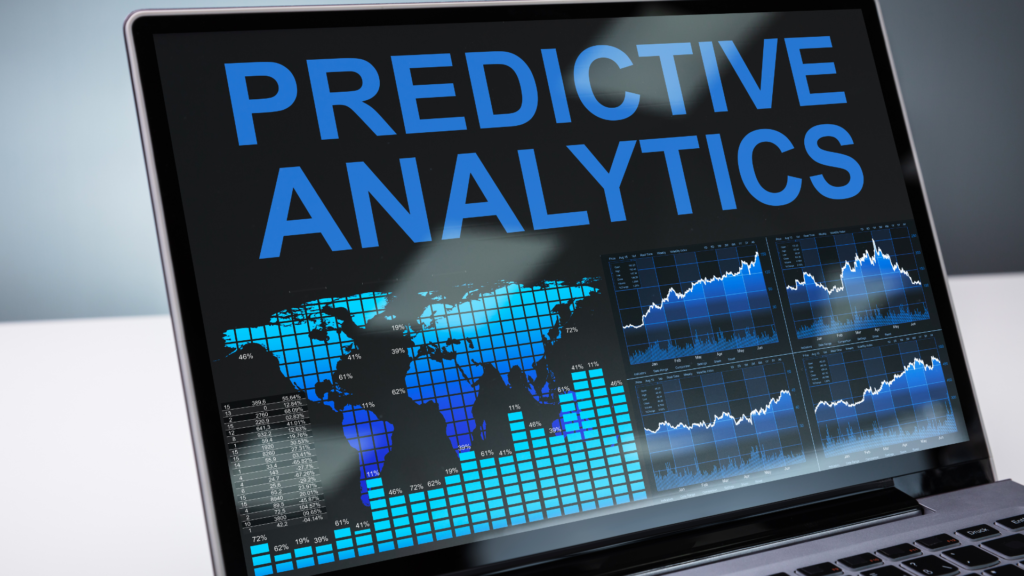
2. Hyper-Personalization Through Predictive Analytics
Personalization used to mean inserting someone’s first name in an email. In 2026, AI takes personalization much further.
Machine learning algorithms now analyze:
- Browsing behavior
- Purchase history
- Engagement patterns
- Demographic data
- Real-time interactions
This allows brands to deliver highly customized experiences across websites, ads, and email campaigns.
Platforms like Google Ads and Meta Ads use AI-driven targeting to predict which users are most likely to convert. Instead of manually testing dozens of audience segments, marketers rely on smart bidding and automated optimization.
The result? Higher ROI with lower wasted ad spend.

3. The Evolution of Search: AI-Driven Results
Search engines are becoming answer engines. AI-generated summaries and conversational results are changing how users consume information.
With AI-powered search experiences rolling out across major platforms, traditional keyword stuffing no longer works. Instead, brands must focus on:
- Topic authority
- Structured data markup
- High-quality, in-depth content
- Conversational keyword optimization
To stay visible, businesses must create content that answers questions clearly and demonstrates expertise. Authority and trust signals now matter more than ever.
4. Automated Ad Campaigns and Creative Optimization
AI has significantly reduced manual campaign management. Instead of adjusting bids and testing creatives manually, marketers now use AI automation to:
- Allocate budgets dynamically
- Test multiple ad variations simultaneously
- Optimize performance in real time
- Predict campaign outcomes
For example, platforms powered by AI analyze thousands of performance signals per second. Campaigns automatically adjust to maximize conversions, clicks, or engagement based on goals.
This doesn’t eliminate marketers — it shifts their role. Instead of micromanaging ads, professionals focus on strategy, messaging, and funnel design.
5. AI Chatbots and Conversational Marketing
Customer experience has dramatically improved thanks to AI-powered chatbots and conversational interfaces.
AI chat systems can:
- Answer FAQs instantly
- Recommend products
- Qualify leads
- Book appointments
- Provide 24/7 support
Unlike traditional chatbots, modern AI assistants understand natural language and context, creating smoother interactions.
Businesses leveraging conversational AI see improvements in response time, customer satisfaction, and lead conversion rates.
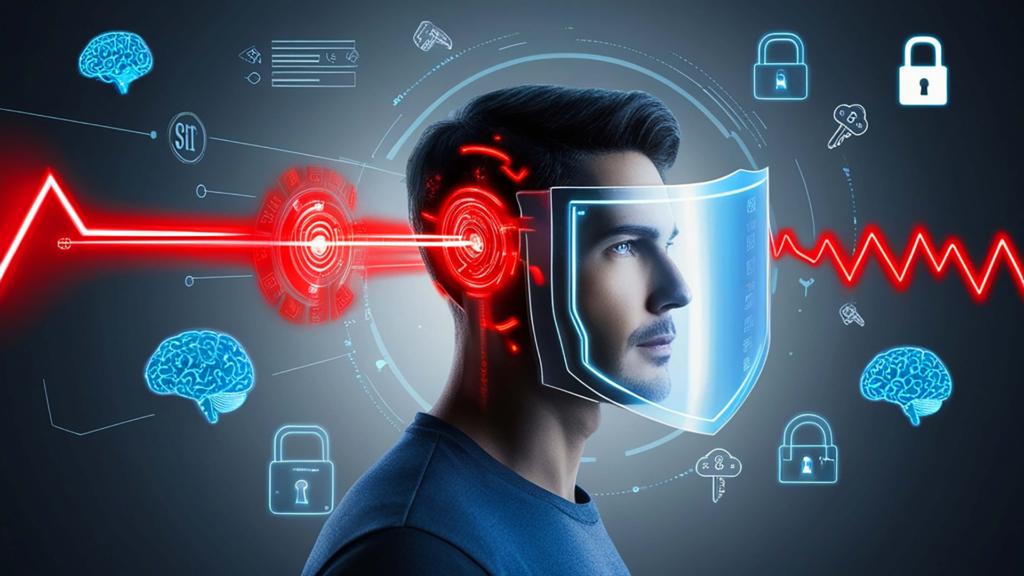
6. Data Privacy and Ethical AI Marketing
As AI becomes more powerful, ethical considerations become more important. Consumers are increasingly aware of data privacy concerns.
Marketers must:
- Be transparent about data collection
- Use first-party data responsibly
- Avoid manipulative personalization tactics
- Ensure compliance with privacy regulations
Trust is now a competitive advantage. Brands that use AI responsibly will outperform those that misuse automation.
7. The New Role of the Digital Marketer
AI is not replacing marketers — it’s redefining them.
In 2026, successful digital marketers focus on:
- Strategic thinking
- Creative storytelling
- Brand positioning
- Data interpretation
- AI tool integration
Technical skills still matter, but strategic oversight matters more. AI handles execution; humans drive vision.
How to Adapt Your Digital Marketing Strategy for AI
To remain competitive:
- Integrate AI tools into content creation workflows.
- Use predictive analytics for audience targeting.
- Focus on authority-driven SEO content.
- Automate ad campaigns while monitoring strategy.
- Prioritize ethical data practices.
AI is not just a trend — it is the infrastructure of modern marketing.
Final Thoughts
Artificial Intelligence is fundamentally reshaping digital marketing strategy in 2026. From content generation and personalization to search optimization and ad automation, AI enables brands to work smarter, faster, and more efficiently.
The businesses that thrive will not be those that blindly automate everything — but those that strategically combine AI capabilities with human creativity and authentic brand messaging.
Digital marketing is no longer just about reaching audiences. It’s about reaching the right audience, with the right message, at the right time — and AI is making that precision possible.